

-
Chengli Automobile Industry Park, Suizhou, Hubei, China

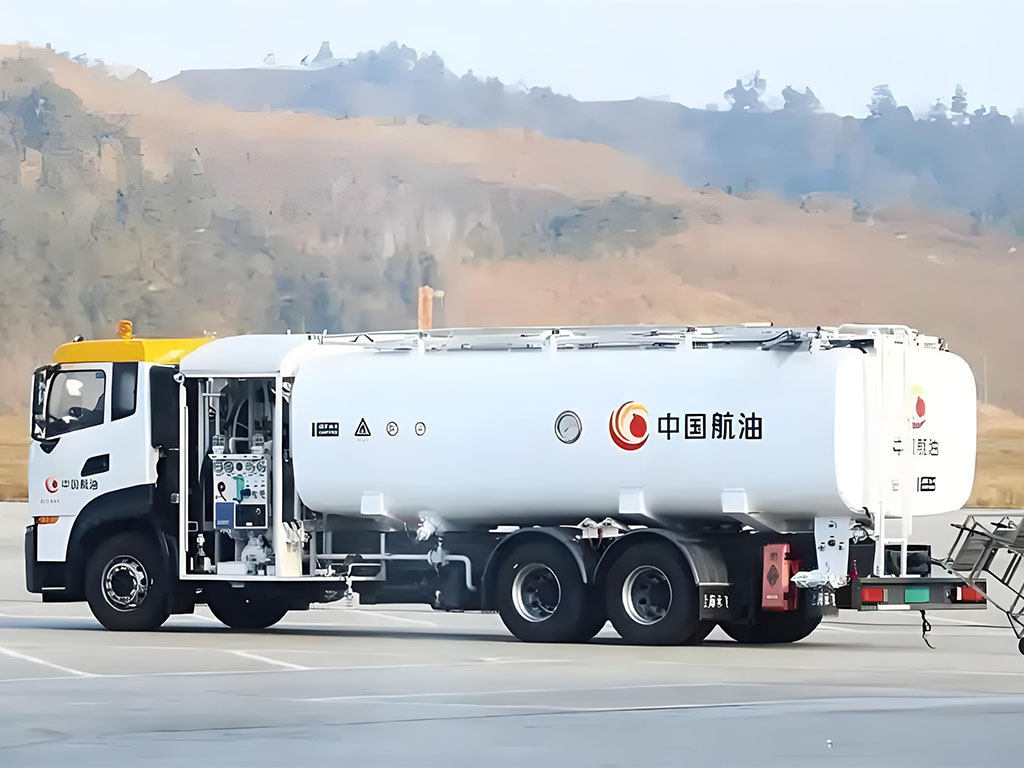
Tanker Fuel Compatibility: The Critical Need to Support Multiple Aviation Fuels
Picture this. You’re at a busy airport. Big planes need fuel. Small planes need fuel too. But here’s the thing – they don’t all use the same fuel! Just like how your car needs gas and a diesel truck needs diesel. Aviation faces this same problem every single day.
7.1Why Wait?
The Evolving Landscape of Aviation Fuels
Traditional Jet Fuels Make Flying Possible
Let me tell you about Jet A-1 and Jet A. These fuels power most big planes today. Think of them like the bread and butter of aviation. Airlines use millions of gallons every day. However, times are changing fast.
Aviation gasoline (we call it Avgas) runs smaller planes. You know those little planes that fly over your house? They use Avgas 100LL or the newer Avgas 82UL. Different engines need different fuels. It’s that simple.
The Rise of Sustainable Aviation Fuels
Now here’s where it gets exciting! Sustainable Aviation Fuel (SAF) is the new kid on the block. Airlines want to go green. They need to cut pollution. SAF helps them do that.
We’ve got biofuels made from plants. HEFA-SPK comes from used cooking oil. Can you believe that? Your old french fry oil could power a plane! Alcohol-to-Jet (ATJ) turns plant sugars into jet fuel. Smart, right?
Synthetic fuels are another game-changer. Power-to-Liquid (PtL) fuels use clean energy to make fuel from air and water. Fischer-Tropsch kerosene comes from natural gas or biomass. The future looks bright!
| Fuel Type | What It’s Made From | Who Uses It |
|---|---|---|
| Jet A-1 | Crude oil | Big airlines |
| Avgas 100LL | Crude oil | Small planes |
| HEFA-SPK | Used cooking oil | Green airlines |
| PtL Fuels | Air and water | Future flyers |
Why Tanker Fuel Compatibility is Non-Negotiable
Here’s the problem. Fuel contamination can wreck an engine. Mix the wrong fuels? You’ve got trouble. Big trouble. That’s why tankers must handle multiple fuels safely.
Preventing Disasters Before They Happen
I’ve seen what happens when fuels mix wrong. Aircraft engines fail. Fuel systems break down. Seals leak. Gaskets crack. Hoses split open. Nobody wants that at 30,000 feet!
Material compatibility matters more than you think. Some fuels eat through certain plastics. Others corrode metal parts. Every fuel pump, fuel tank, and fuel line must work with every fuel type. No exceptions.
Meeting Strict Standards
ASTM International sets the rules. So does SAE International. The FAA watches everything. EASA does the same in Europe. Break these rules? You’re grounded.
Fuel quality control isn’t optional. It’s mandatory. Every batch needs testing. Every delivery needs checking. Fuel certification proves you’re doing it right.
Challenges in Achieving Multi-Fuel Tanker Compatibility
Let’s be honest. Making tankers work with all fuels isn’t easy. Or cheap.
Infrastructure Needs Big Changes
Old tankers can’t handle new fuels. They need upgrades. New pumps. New tanks. New everything! Airport refueling systems need complete overhauls.
Fuel storage gets complicated fast. You can’t mix SAF with regular jet fuel in the same tank. Not unless you want problems. Each fuel needs its own space. Its own pipes. Its own pumps.
People Need Training Too
Workers must learn new skills. How to handle biodiesel in aviation. How to spot fuel adulteration. How to prevent mixing mistakes. One error could cost millions. Or worse – lives.
Fuel handling procedures change with each fuel type. What works for Jet A won’t work for hydrogen. Teams need constant training. Updates. Practice.
Solutions from CLW GROUP
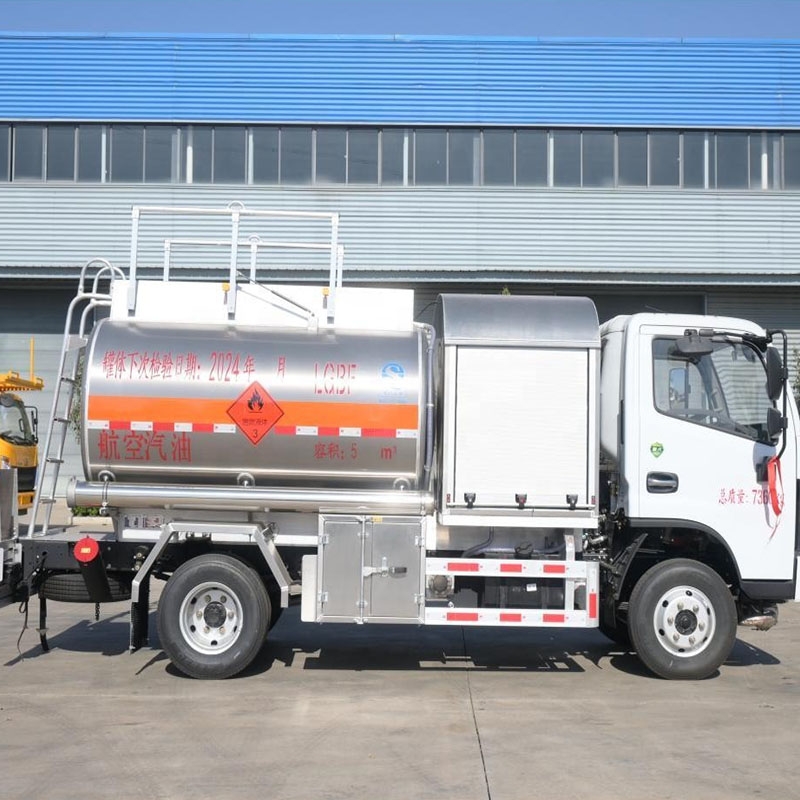
This is where I come in. At CLW GROUP, we build special trucks that solve these problems. We’re not just another manufacturer. We’re your partner in aviation fuel success.
Smart Tanker Design
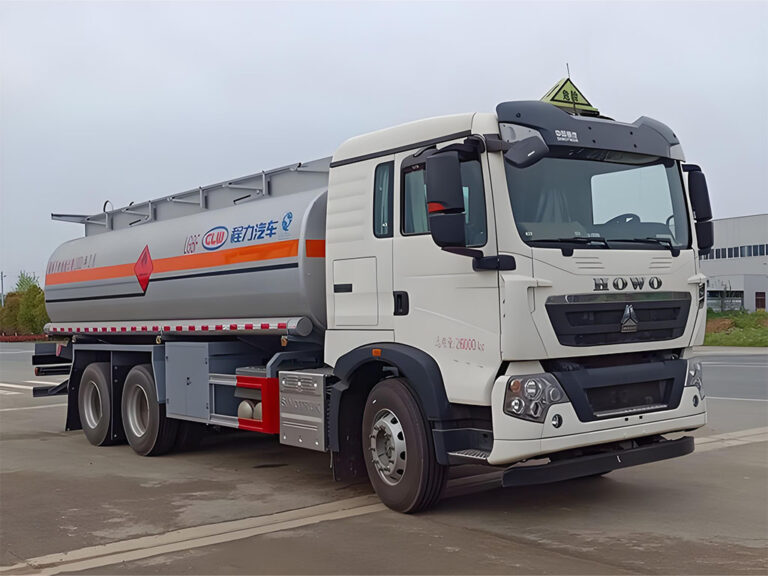
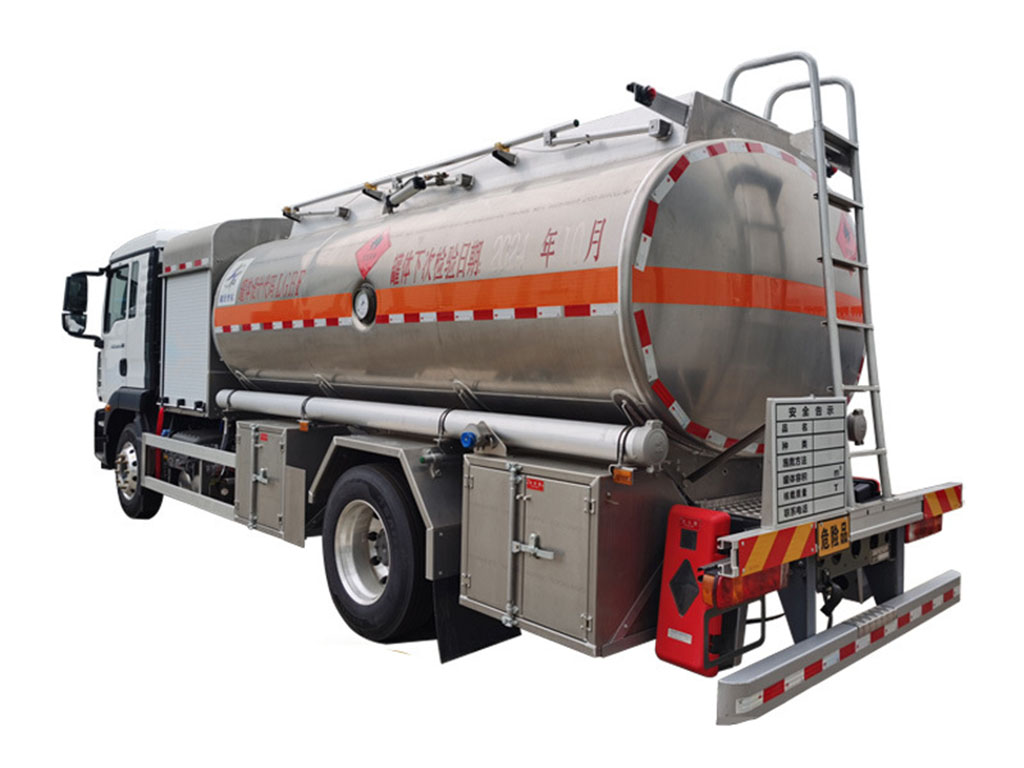
Our tankers handle multiple fuels safely. Each compartment stays separate. No mixing. No contamination. Just pure, clean fuel every time.
We use special materials that work with all fuel types. From traditional jet fuel to new bio-kerosene. Our seals don’t leak. Our pumps don’t fail. Our systems just work.
Advanced Technology Makes the Difference
Smart sensors watch everything. Temperature. Pressure. Purity. Any problem? You know instantly. Our fuel analysis systems catch issues before they become disasters.
Fuel testing happens automatically. No guessing. No hoping. Just facts. Hard data you can trust.
| Feature | What It Does | Why You Need It |
|---|---|---|
| Multi-compartment design | Keeps fuels separate | Prevents contamination |
| Smart sensors | Monitors fuel quality | Catches problems early |
| Special materials | Resists all fuel types | Lasts longer, works better |
| Auto-testing | Checks purity constantly | Ensures safety always |
Real Results for Real Customers
Let me share something. Last year, a major airport switched to our tankers. They now handle five different fuel types. Zero contamination incidents. Zero downtime. That’s the CLW GROUP difference.
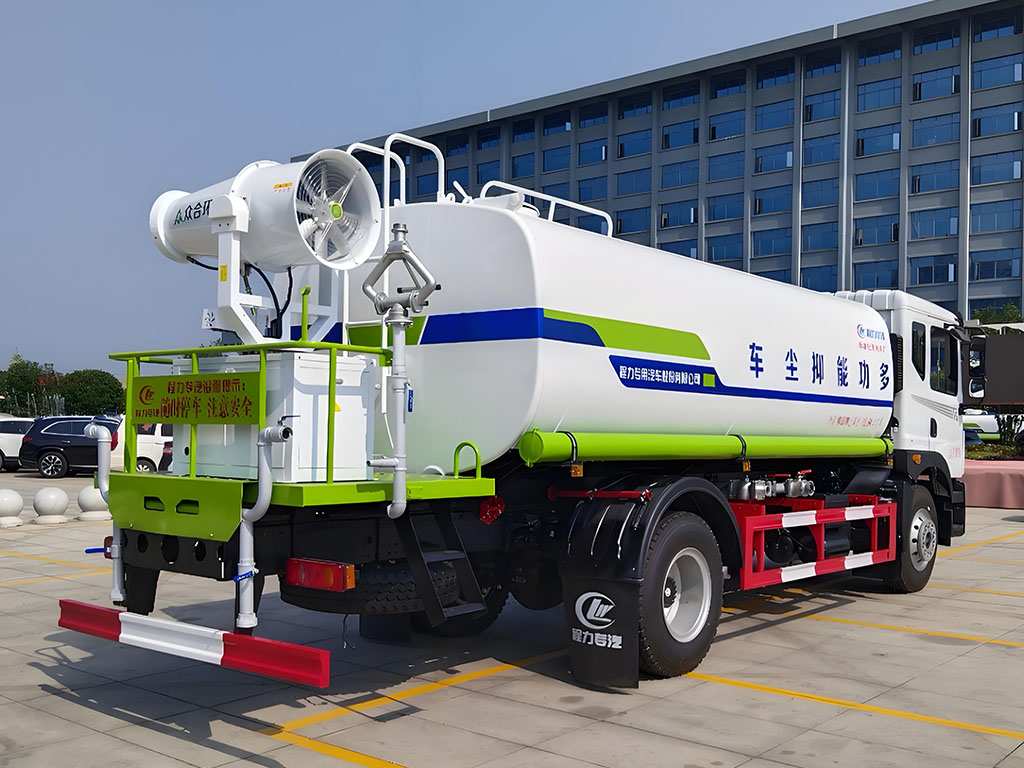
Our water tank trucks use the same proven technology. Same quality. Same reliability. Whether you’re moving fuel or water, we’ve got you covered.
Future-Proofing Your Operations
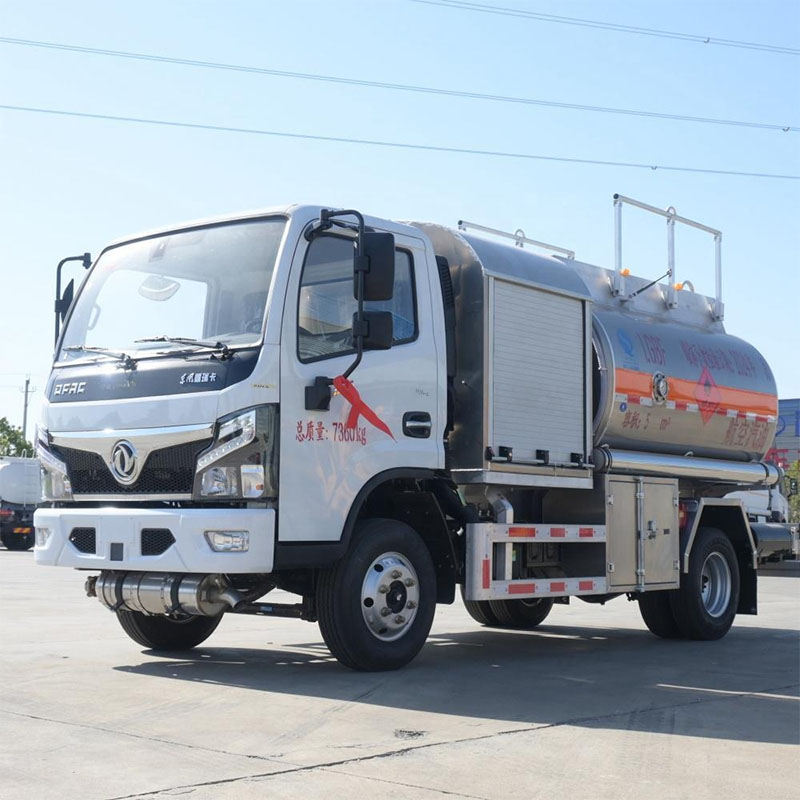
Hydrogen aviation fuel is coming. Electric planes need special support too. Our tankers are ready. We design for tomorrow, not just today.
SAF certification requirements keep changing. Our equipment adapts. New fuel blending ratios? No problem. Different aviation fuel additives? We handle them all.
The Investment That Pays for Itself
Yes, good tankers cost money. But think about this. One contamination incident costs more than ten new tankers. One grounded plane loses thousands per hour. Can you afford not to invest?
Fuel efficiency improves with proper equipment. Less waste. Less spillage. Less loss. Our tipper trucks proved this in other industries. Now aviation benefits too.
Complete Support Package
We don’t just sell tankers. We provide:
- Custom design for your needs
- Full training programs
- Ongoing technical support
- Regular updates for new fuels
- Parts and service worldwide
Making the Right Choice Today
The aviation world is changing. Decarbonization isn’t optional anymore. Net-zero emissions targets are real. Your fuel infrastructure must keep up.
Commercial aviation leads the way. Military aviation follows close behind. General aviation joins the movement. Everyone needs compatible tankers. Everyone needs CLW GROUP.
Why Wait?
Every day you delay costs money. Lost efficiency. Missed opportunities. Potential problems growing worse.
Smart airports act now. They upgrade before regulations force them. They prepare for SAF availability increases. They get ready for the future.
Your Partner in Aviation Fuel Success
At CLW GROUP, we understand aviation. We know turbine engines need perfect fuel. We know piston engines have different requirements. We build for both.
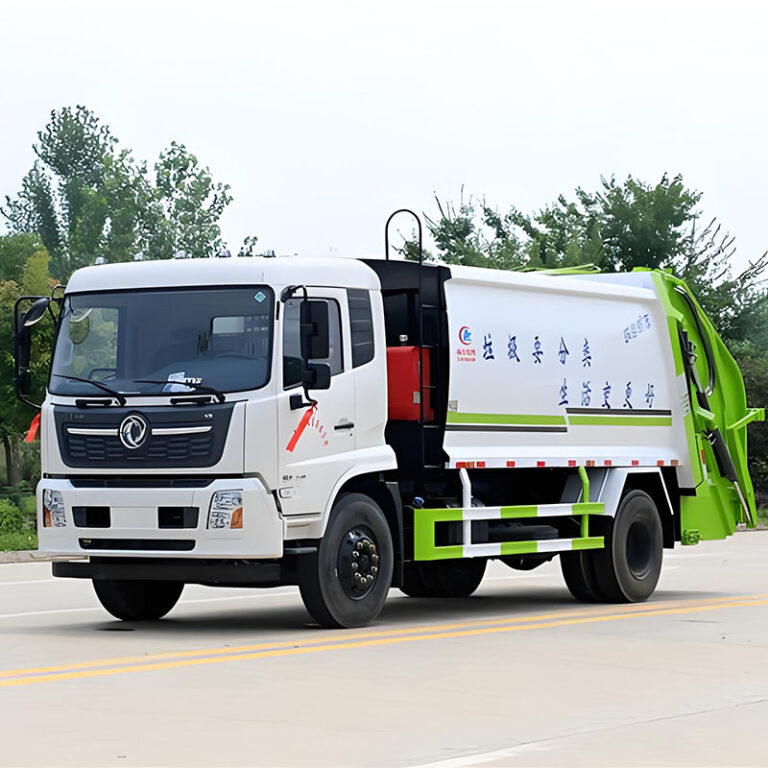
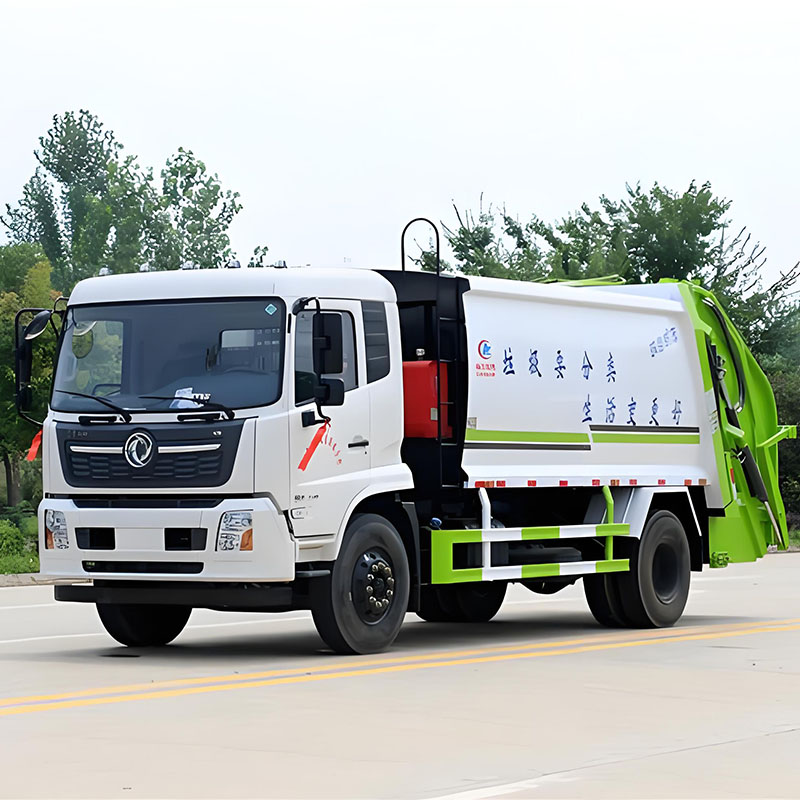
Our experience shows. From rear loader garbage trucks to aviation tankers, we master complex fluid handling. We solve tough problems. We deliver results.
Global aviation fuel supply keeps growing more complex. Fuel transition happens faster each year. You need equipment that keeps pace. You need CLW GROUP.
Take Action Today
Don’t let fuel compatibility problems ground your operations. Contact us now. Let’s discuss your needs. Your challenges. Your goals.
We’ll design the perfect solution. Train your team. Support your success. Together, we’ll make aviation cleaner, safer, and more efficient.
The future of aviation fuels is multi-fuel compatibility. The question isn’t if you’ll upgrade. It’s when. Make it today. Make it with CLW GROUP.
References: ASTM D1655 Jet Fuel Standards, IATA Sustainable Aviation Fuel Guidelines 2023, FAA Advisory Circular 150/5230-4B