

-
Chengli Automobile Industry Park, Suizhou, Hubei, China

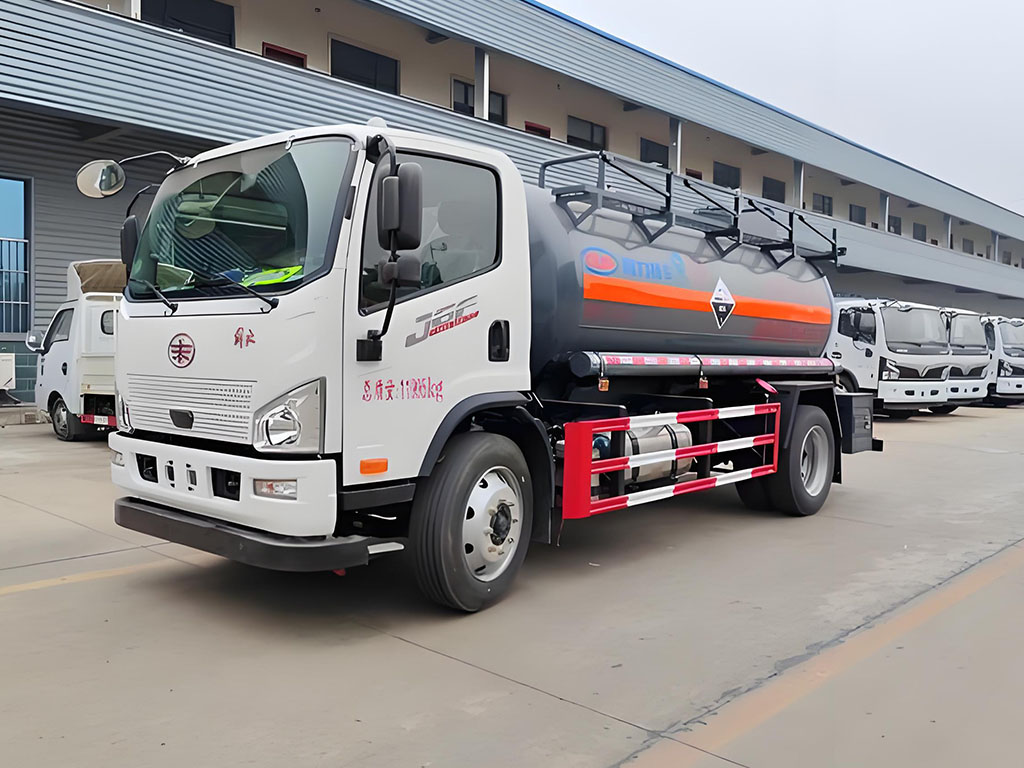
How to Choose the Right Tanker Capacity for Airport Needs: A Simple Guide
Airports are busy places. Planes take off and land all the time. Planes need fuel, water, and other fluids to work well. Picking the right tanker helps airports run smooth. If the tanker is too small, planes must wait. If it is too big, it wastes money. Let’s learn how to choose the best tanker for your airport’s needs!
Why Tanker Capacity Matters
Turnarounds must be fast. Refueling trucks, water tankers, and firefighting foam tankers all need the right size. Get it wrong, and you have slowdowns, spills, or safety issues. Airports have to think about many factors:
- How many planes do you serve?
- What types of planes are at your airport?
- Do you fuel big jets or small planes?
- Do you need de-icing in cold weather?
With so much happening at airports, you want tankers that are just right.
Know Your Needs
Different airports need different tankers. Here are the steps you need to take:
Look at Your Planes
- Do you mostly see wide-body jets or small planes?
- Large jets like the Boeing 777 need up to 52,000 gallons of fuel!
- Small planes need much less.
See this table:
| Plane Type | Fuel Needed (Gallons) |
|---|---|
| Small Jet | 6,900 |
| Big Jet (B777) | 26,000–52,000 |
Think About Frequency
- Some airports have lots of flights every hour.
- Some only have a few each day.
- More flights means you need bigger or more tankers.
Other Fluid Needs
You will also handle:
- De-icing Fluid
- Potable Water
- Firefighting Foam
- Aircraft Lavatory Waste
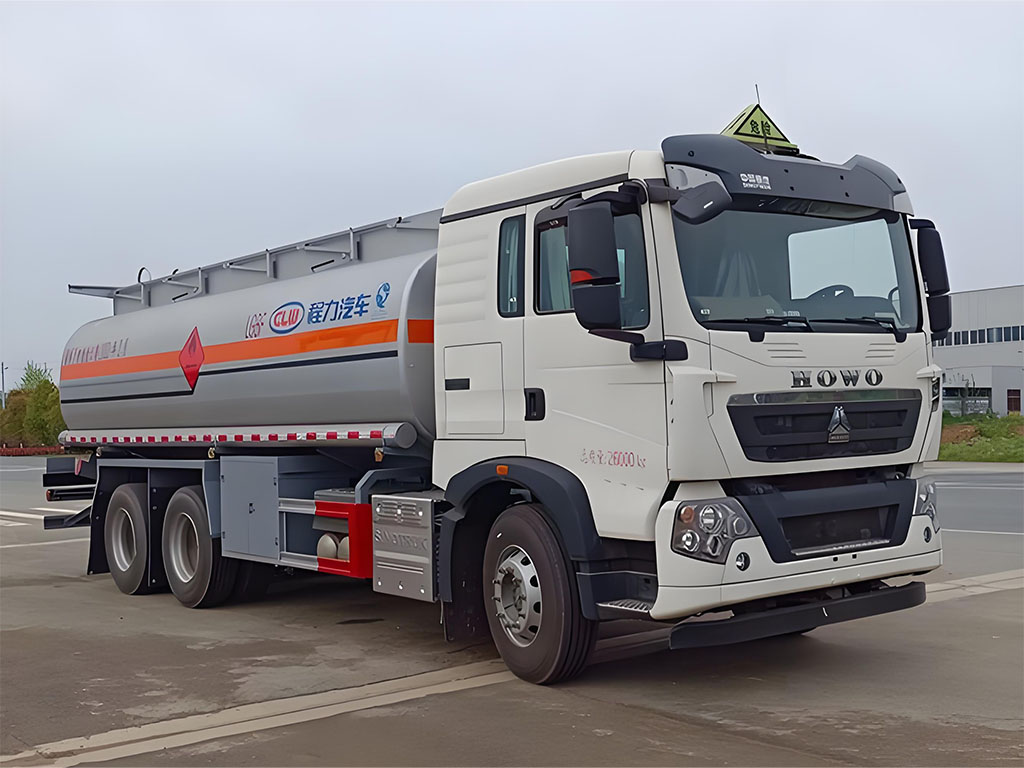
Stay prepared. Trucks must carry enough de-icing fluid on snowy days. Firefighting foam tankers must meet safety standards. Water and lavatory servicing also need just the right size.
What Affects Tanker Size?
Multiple things change what size you need. Let’s break it down.
1. Tanker Type
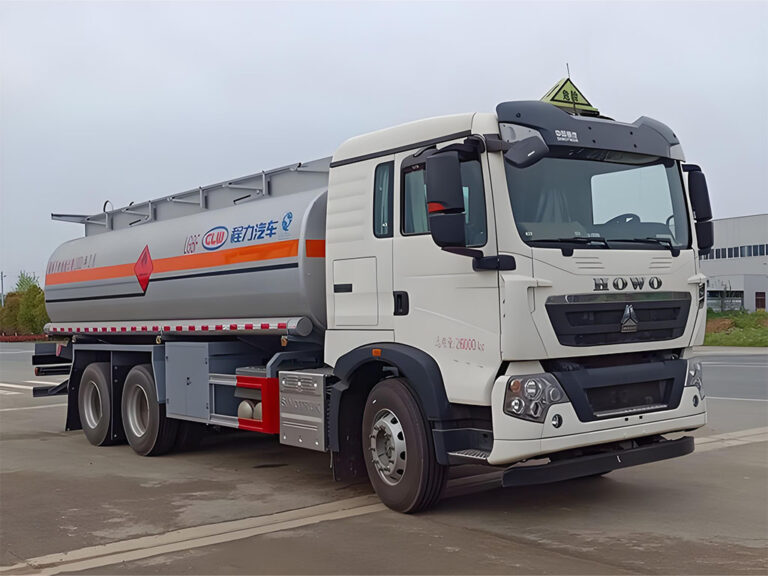
- Fuel Tankers are for jet fuel and avgas.
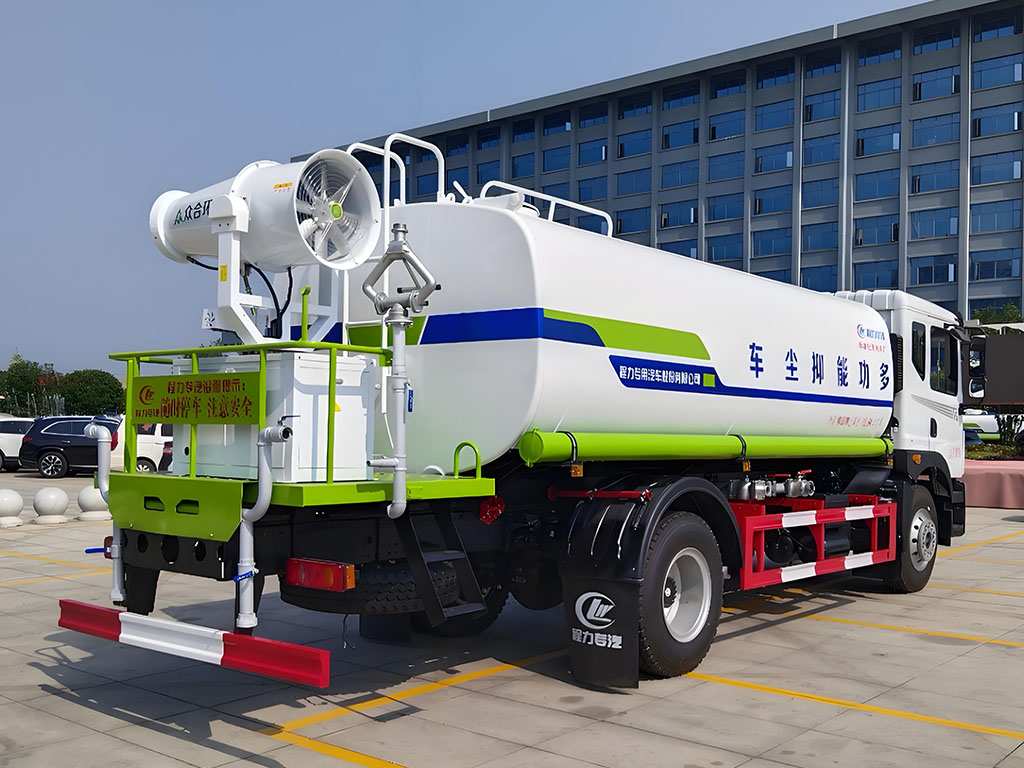
- Water Tankers deliver clean water.
- Multi-purpose Tankers do more than one job.
See the water tank truck options from CLW GROUP for flexible choices.
2. Fluid Type and Volume
- Jet A Fuel is common for big planes.
- Avgas is mostly for smaller planes.
- De-icing and Glycol Fluid come into play in cold places.
- Density matters: Fuel and foam weigh more than water for the same size.
3. Airport Layout
- If refueling points are far apart, you might need larger tankers.
- Busy airports should have quick, easy-to-move trucks.
- Think about hydrant systems vs. tanker-only fueling.
4. Operational Efficiency
- Bigger tankers mean fewer trips.
- But, too big means tough to maneuver and higher costs.
- Think about minimizing downtime and keeping refueling fast.
5. Budget and Growth
- Large fuel tankers can cost up to $500,000.
- Medium ones are about $100,000 to $200,000.
- Don’t just buy for today. Plan for more flights in the future.
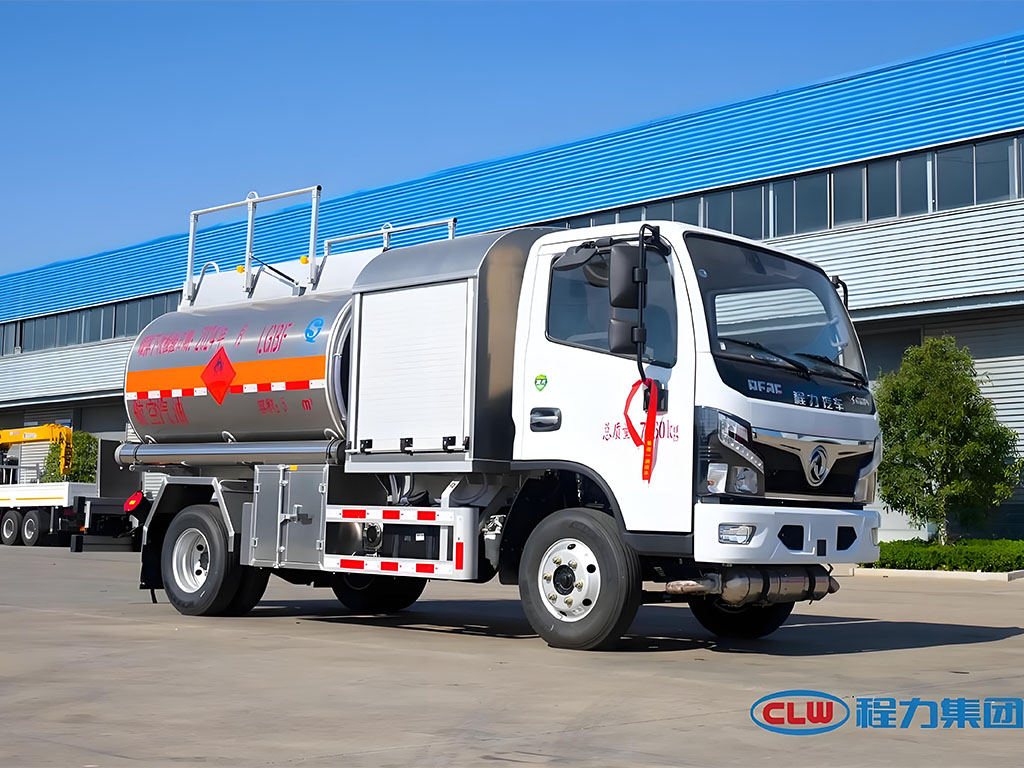
How to Calculate the Right Tanker Capacity
Let’s make it simple:
- Count Average Needs
Estimate how much fuel or water each plane needs. - Count Flights per Day
Add up how many planes you see each day. - Check Turnaround Time
The faster you want each refuel, the bigger tank you might need. - Add Emergency Buffer
Always have extra for busy days or emergencies.
Table: Example Calculation
| Area | How Much Needed |
|---|---|
| Fuel | Planes per hour × Liters per plane × Hours between re-fills |
| De-icing Fluid | Historical use on snowy days × Safety margin |
| Water | Average water use per plane × Number of planes serviced |
| Firefighting | Minimum capacity set by safety rules |
Rules and Safety
- Tankers must meet aviation authority standards (like FAA, EASA).
- Spill prevention, safe fuel storage, and strict operator training are key.
- Emergency systems like shut-off valves prevent danger.
- You must obey environmental regulations for fluid handling.
Real Airport Examples
Seeing real world choices helps. Let’s look at two airports:
1. Big City Airport
- Lots of big wide-body and small jets.
- Uses 30,000-50,000 liter fuel tankers from CLW GROUP to service remote stands.
- Smaller tankers for short hops.
- Has a hydrant system and a flexible fleet of de-icing and water tankers.
2. Regional Airport
- Mostly small jets and turboprops with 40 flights per day.
- Uses a few 10,000-15,000 liter tankers that handle fuel, water, and lavatory waste.
- Stays flexible for peak and off-peak times.
- Uses tankers for jobs where the hydrant system doesn’t reach.
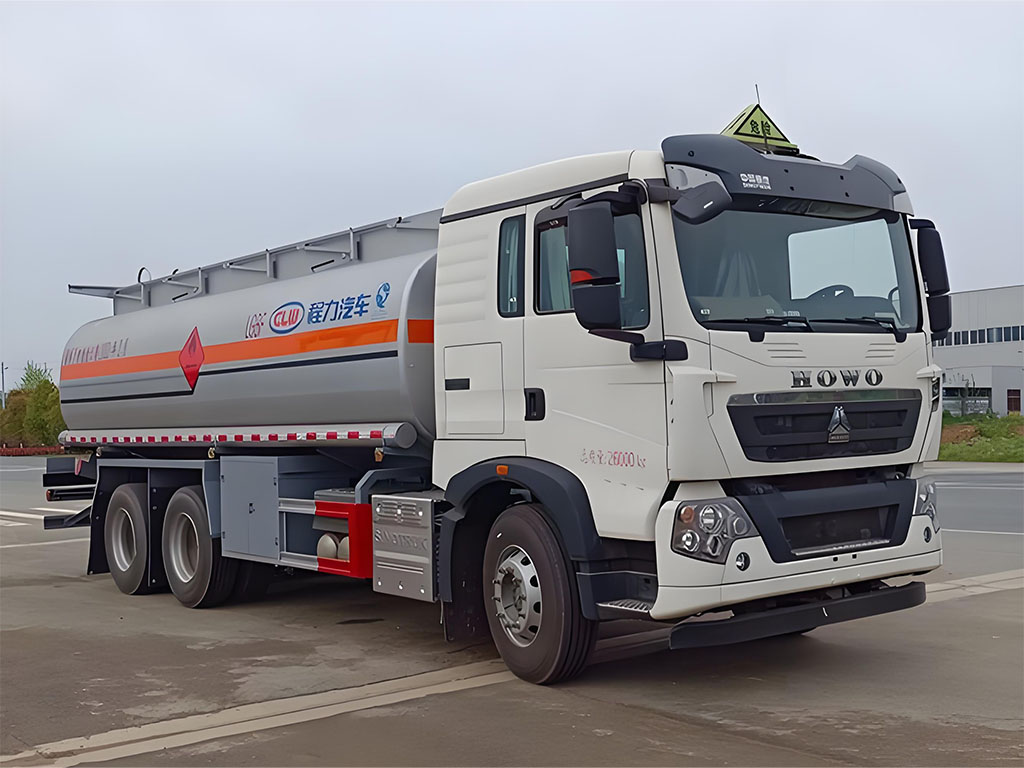
Choosing the Best
Ready to make your choice? Follow these simple steps:
1. Fleet Strategy
- Mix big tankers with some small, specialized units.
- Custom service trucks from CLW GROUP meet many needs at once.
- Sometimes you can share resources with other airports.
2. Pick a Good Vendor
- Pick a company with a strong track record.
- CLW GROUP is a professional automobile manufacturer that provides customized production, vehicle delivery, after-sales support, and technical consulting services.
- All trucks are built to high safety and environmental standards.
3. Check Specs
- Look for detailed capacity, size, and features.
- Get tanks made for your fluids: jet fuel, de-icing fluid, water, foam, or waste.
4. Plan for Later
- Review needs every year.
- As your airport grows, swap or add tankers.
See How We Can Help
CLW GROUP builds all kinds of tanker trucks: fuel, de-icing, water, foam, and more. We tailor vehicles to your airport needs, big or small. We offer:
- Customized production for every job
- Quick vehicle delivery
- Expert after-sales help
- Clear technical consulting
Have unique needs? We can handle them—no matter if you need tankers for fuel, firefighting, waste management, or aluminum truck flatbeds.
Recap: What to Remember
- Check your airport type and traffic
- Add up all the fluids your planes need
- Balance costs with efficiency
- Meet all rules for safety and the environment
- Work with experts like CLW GROUP to get the best tanker trucks
The right airport tanker saves money, reduces delays, and boosts safety. The needs change as you grow, so keep checking and stay flexible.
References
- specail trucks factory
- water tank truck
- aluminum truck flatbed
- Aircraft manufacturer specifications: Boeing, Airbus
- Aviation authority regulations: FAA, EASA, IATA
- Airport operation manuals and emergency planning guides
Need help? Let CLW GROUP make your airport service fleet smarter, safer, and more cost-effective!